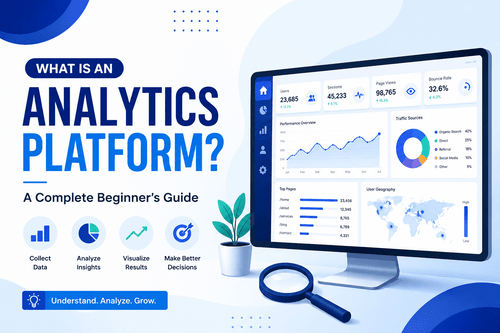
Analytics platforms help businesses make better decisions by replacing guesswork with actual evidence, showing you what customers are doing, what’s working, and what isn’t, based on real data instead of assumptions. Instead of debating opinions in a meeting, you can look at the numbers and settle it. If you’re still getting familiar with what these platforms actually are, our guide on what an analytics platform is is a good starting point.
we’ll go through the specific ways this actually plays out in a business, beyond just the general idea that “data helps.”
Decisions Get Faster, Not Just Better
One underrated benefit is speed. Without an analytics platform, answering a simple question like “which product is selling best this month” might mean pulling reports from three different systems and manually combining them. With a platform in place, that same answer is available in seconds through a dashboard, which means decisions that used to take days can happen the same afternoon.
Spotting Problems Before They Get Expensive
Analytics platforms are good at catching small issues before they become big ones. A sudden dip in website conversions, a spike in customer support tickets, a marketing channel quietly underperforming, these show up in the data well before they’d show up in quarterly results. Catching them early means you can act while the fix is still cheap and manageable.
Understanding Customers Instead of Guessing About Them
Businesses used to rely heavily on assumptions about what customers wanted. Analytics platforms replace a lot of that guesswork with actual behavior data: what people click, what they buy, where they drop off, and what keeps them coming back. That shift from assumption to evidence tends to produce decisions that hold up a lot better over time.
If you want to go deeper on the specific numbers worth tracking for this kind of decision-making, our post on 6 key metrics to track for better business decision making is a solid next read.
Removing Bias from the Decision Process
Opinions in a business meeting often come with baggage, whoever’s loudest, most senior, or most confident tends to win the argument, regardless of whether they’re actually right. Data doesn’t have that problem. An analytics platform gives everyone in the room the same set of facts to work from, which tends to lead to decisions based on evidence rather than internal politics or gut instinct alone.
Forecasting and Planning Ahead
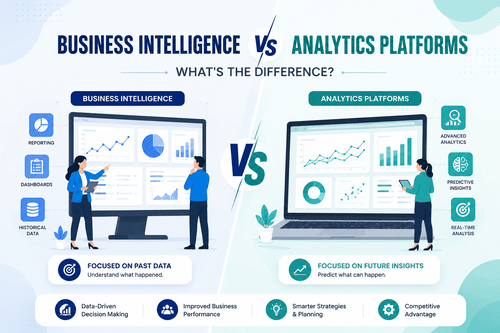
Beyond just understanding what already happened, good analytics platforms help predict what’s likely to happen next, based on patterns in historical data. This matters a lot for planning inventory, staffing, or budgets ahead of time rather than reacting after the fact. Retail and beauty brands, for example, increasingly use this kind of forecasting to plan demand well before a busy season hits, which our post on how beauty brands use data to forecast demand covers in more detail.
Making Marketing Spend Actually Accountable
Marketing budgets used to be one of the hardest things to justify with hard numbers. Analytics platforms changed that by making it possible to trace a sale or a signup back to the exact channel, campaign, or piece of content that drove it. That accountability means budget gets shifted toward what’s actually working instead of what simply feels like it should be working.
Helping Teams Align Around the Same Goals
When everyone in an organization can see the same dashboards and the same numbers, it becomes a lot easier to agree on priorities. Sales, marketing, and product teams working from the same data tend to make more coordinated decisions than teams each relying on their own separate, sometimes conflicting, sources of information.
Reducing the Cost of Being Wrong
No business gets every decision right. What a good analytics platform does is shrink how long a bad decision stays in place before it gets noticed and corrected. Instead of finding out a strategy isn’t working months later during a quarterly review, ongoing data tracking flags the problem while there’s still time to adjust course.
Getting Started with Better Data-Driven Decisions
If your business is still making most of its calls based on instinct and experience alone, the shift to data-driven decision-making doesn’t have to happen all at once. Start by picking the platform that actually fits your team’s size and technical comfort level. Our guide on how to choose the right analytics platform for your business walks through exactly what to weigh before committing to one.
FAQs About Analytics Platforms and Business Decisions
How do analytics platforms actually improve business decisions?
They replace guesswork with real data on customer behavior, sales trends, and performance metrics, letting decisions get made based on evidence rather than assumption or opinion.
Can small businesses benefit from analytics platforms too?
Yes. Even smaller businesses generate enough customer and sales data that a basic analytics platform can meaningfully improve decision-making, not just large enterprises.
Do analytics platforms help with predicting future trends?
Many do, using historical data patterns to forecast things like demand, customer behavior, or seasonal trends, which helps with planning ahead rather than only reacting after the fact.
How do analytics platforms help justify marketing spend?
By tracing sales or signups back to specific campaigns or channels, businesses can see exactly what’s driving results and shift budget toward what’s actually working.
Do analytics platforms remove the need for human judgment in decisions?
No. They provide the evidence to inform a decision, but people still need to interpret that data and apply judgment, especially for decisions involving factors data can’t fully capture.
What’s the biggest mistake businesses make with analytics platforms?
Collecting data without a clear plan for how to use it. A platform only helps decision-making if someone’s actually reviewing the numbers regularly and acting on what they find.