Data privacy is no longer just an IT responsibility. Customers want to know how their personal information is collected, stored, and used. At the same time, regulations like GDPR, CCPA, CPRA, and other privacy laws continue to expand, making compliance more important than ever.
Managing privacy manually is difficult, especially for businesses handling customer data across multiple systems, websites, cloud platforms, and third-party applications. That’s why many organizations use data privacy management software to automate compliance, manage privacy requests, monitor sensitive data, and reduce legal risks.
To help you choose the right solution, we’ve reviewed the 22 best data privacy management software based on privacy compliance, data discovery, consent management, automation, integrations, reporting, pricing, and customer feedback. Whether you’re a startup, a growing business, or a global enterprise, this guide will help you find the right platform.
Keep reading to compare the leading data privacy management software and choose the one that best fits your organization’s privacy and compliance needs.
What Is Data Privacy Management Software?
Data privacy management software helps organizations discover, classify, manage, and protect personal data while complying with privacy regulations such as GDPR, CCPA, CPRA, LGPD, and other global laws.
These platforms automate privacy workflows, manage consent, process data subject requests (DSARs), monitor sensitive information, and generate compliance reports. They reduce manual work while helping businesses protect customer data and maintain regulatory compliance.
Many modern privacy platforms also integrate with cloud services, CRM systems, identity providers, and security tools to create a centralized privacy management program.
Key Takeaways
- Discover and classify sensitive data.
- Automate privacy compliance.
- Manage consent and privacy requests.
- Reduce regulatory risks.
- Improve data governance.
- Strengthen customer trust.
Common Features of Data Privacy Management Software
Most data privacy management platforms include a wide range of features that simplify compliance and data governance.
Data Discovery
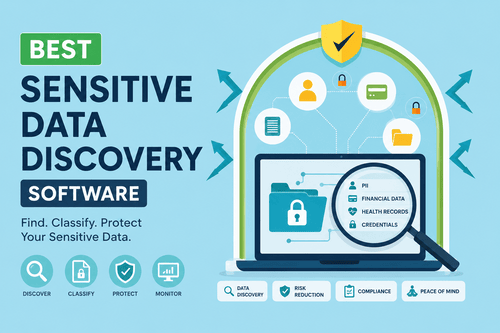
Automatically locate personal and sensitive data across databases, cloud storage, applications, and business systems.
Data Classification
Identify and categorize regulated information such as personal, financial, healthcare, and customer data.
Consent Management
Track user consent, manage preferences, and maintain consent records for compliance.
DSAR Automation
Automate data subject access requests, deletion requests, and other privacy rights under global regulations.
Privacy Risk Assessments
Evaluate privacy risks and identify compliance gaps before they become problems.
Compliance Reporting
Generate reports that support audits and demonstrate regulatory compliance.
Data Mapping
Visualize how personal data moves between systems, departments, and third-party services.
Policy Management
Create, manage, and enforce privacy policies across the organization.
Third-Party Risk Management
Monitor vendors and partners that process customer data on your behalf.
Workflow Automation
Automate repetitive privacy tasks to reduce manual effort and improve efficiency.
Benefits of Data Privacy Management Software
Data privacy management software helps businesses protect sensitive information while simplifying compliance.
Simplify Regulatory Compliance
Automate privacy processes and stay aligned with changing global regulations.
Reduce Compliance Risks
Identify privacy issues early before they result in regulatory penalties.
Improve Customer Trust
Show customers that their personal information is handled responsibly.
Automate Privacy Workflows
Reduce manual work by automating consent management, DSARs, and privacy reporting.
Strengthen Data Governance
Gain better visibility into where personal data is stored and how it is used.
Improve Security
Reduce exposure by identifying sensitive information across business systems.
Faster Privacy Requests
Respond to customer access, correction, and deletion requests more efficiently.
Better Audit Readiness
Maintain centralized records that simplify internal and external compliance audits.
Support Global Operations
Manage privacy requirements across multiple countries and jurisdictions.
Scale Privacy Programs
Support growing organizations without increasing compliance complexity.
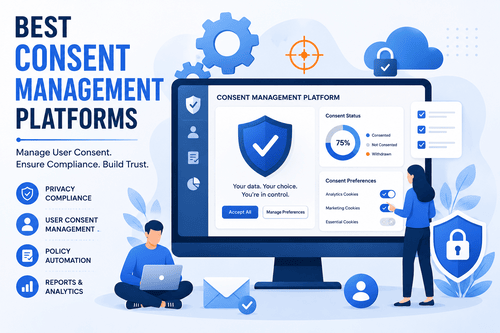
Related: Many organizations combine privacy management with the Best Consent Management Platforms for user consent collection and the Best B2B Marketing Automation Tools to run compliant marketing campaigns.
Who Uses Data Privacy Management Software?
Data privacy management software is valuable for any organization that collects, stores, or processes personal information.
Enterprise Organizations
Large businesses manage privacy compliance across multiple departments, business units, and global operations.
SaaS Companies
Software providers protect customer data while complying with international privacy regulations.
Healthcare Organizations
Healthcare providers safeguard patient information and manage strict privacy requirements.
Financial Institutions
Banks, insurance companies, and fintech organizations protect highly sensitive financial data.
Ecommerce Businesses
Online retailers manage customer information, payment data, and marketing consent.
Government Agencies
Public sector organizations improve transparency while protecting citizen data.
Educational Institutions
Schools and universities manage student records and comply with privacy regulations.
Marketing Agencies
Agencies handle customer data responsibly while managing campaigns for multiple clients.
Technology Companies
Technology businesses monitor personal information across cloud platforms and development environments.
Legal and Compliance Teams
Privacy officers, legal departments, and compliance professionals oversee regulatory compliance and data governance.
How We Tested These Data Privacy Management Software Solutions
To create this list, we evaluated leading privacy management platforms based on compliance capabilities, automation, data discovery, integrations, ease of use, reporting, scalability, pricing, and customer satisfaction. Our goal was to identify solutions that work well for startups, growing businesses, and enterprise organizations.
We compared each platform using the following criteria:
| Evaluation Criteria | Why It Matters |
|---|---|
| Privacy Compliance | Supports GDPR, CCPA, CPRA, LGPD, and other major regulations. |
| Data Discovery | Automatically identifies sensitive data across systems. |
| Automation | Reduces manual work through automated workflows and privacy requests. |
| Consent Management | Helps organizations manage user consent and preferences. |
| Integration Support | Connects with cloud services, CRM systems, identity providers, and security tools. |
| Reporting | Simplifies audits with centralized compliance reports. |
| Scalability | Supports organizations as privacy programs expand. |
| Ease of Use | User-friendly platforms reduce implementation time. |
| Customer Reviews | Real-world feedback highlights strengths and weaknesses. |
| Pricing | Flexible plans support businesses of different sizes. |
Also read: Businesses strengthening their data governance strategy often use the Best Insight Engines Software and Best Predictive Analytics Tools and Software to analyze data while maintaining privacy compliance.
Quick Comparison of the Best Data Privacy Management Software
| Software | Best For | Privacy Compliance | Automation | Free Plan |
|---|---|---|---|---|
| OneTrust | Enterprise privacy | ✅ | ✅ | No |
| TrustArc | Global compliance | ✅ | ✅ | No |
| Osano | Privacy automation | ✅ | ✅ | Trial |
| Securiti | AI-powered privacy | ✅ | ✅ | Demo |
| BigID | Data discovery | ✅ | ✅ | No |
| DataGrail | Privacy operations | ✅ | ✅ | No |
| Transcend | Enterprise privacy | ✅ | ✅ | Custom |
| MineOS | Customer privacy requests | ✅ | ✅ | Demo |
| Usercentrics | Consent and privacy | ✅ | ✅ | Trial |
| Didomi | Multi-channel consent | ✅ | ✅ | Trial |
| WireWheel | Privacy management | ✅ | ✅ | Demo |
| Microsoft Priva | Microsoft environments | ✅ | ✅ | No |
| IBM Guardium Data Protection | Enterprise security | ✅ | ✅ | No |
| Spirion | Sensitive data discovery | ✅ | ✅ | Trial |
| PrivacyEngine | Compliance automation | ✅ | ✅ | Demo |
| DataGuard | SMB compliance | ✅ | ✅ | Trial |
| Segment Privacy Portal | Customer data privacy | ✅ | ✅ | No |
| Ketch | Privacy operations | ✅ | ✅ | Demo |
| Ethyca | Privacy APIs | ✅ | ✅ | No |
| Privado | Privacy engineering | ✅ | ✅ | Open source |
| Securys PrivacyHub | Privacy governance | ✅ | ✅ | Demo |
| SAP Privacy Governance | SAP ecosystems | ✅ | ✅ | Custom |
22 Best Data Privacy Management Software in 2026
1. OneTrust
Best for: Enterprise privacy and compliance management
OneTrust is one of the most recognized data privacy management platforms for large organizations. It helps businesses automate privacy operations, manage consent, discover sensitive data, and comply with global privacy regulations.
Key Features
- Data discovery
- Consent management
- DSAR automation
- Privacy impact assessments
- Third-party risk management
- Compliance reporting
- Data mapping
Pros
- Comprehensive privacy platform
- Strong regulatory support
- Enterprise scalability
- Extensive integrations
Cons
- Premium pricing
- Initial setup can be complex
Pricing: Custom pricing
2. TrustArc
Best for: Global privacy compliance
TrustArc offers a complete privacy management platform that helps organizations automate compliance, manage privacy risks, and monitor personal data across business systems.
Key Features
- Privacy assessments
- Data inventory
- Consent management
- Cookie compliance
- Risk management
- Compliance reporting
- Vendor management
Pros
- Strong compliance capabilities
- Excellent reporting
- Global privacy coverage
- Enterprise ready
Cons
- Higher implementation costs
- Learning curve for new users
Pricing: Custom pricing
3. Osano
Best for: Privacy automation
Osano combines consent management, privacy monitoring, and compliance automation into one platform that is easy to deploy and manage.
Key Features
- Consent management
- Cookie compliance
- Vendor monitoring
- Privacy workflows
- Compliance dashboard
- Risk management
- Reporting
Pros
- Easy implementation
- Excellent automation
- User-friendly interface
- Strong customer support
Cons
- Advanced features require higher plans
- Enterprise pricing
Pricing: Contact sales
4. Securiti
Best for: AI-powered privacy operations
Securiti helps enterprises automate data intelligence, privacy operations, and compliance using AI-driven discovery and governance tools.
Key Features
- AI-powered data discovery
- Privacy automation
- Consent management
- DSAR workflows
- Data mapping
- Risk assessments
- Compliance reporting
Pros
- Advanced AI capabilities
- Strong automation
- Enterprise scalability
- Comprehensive privacy tools
Cons
- Premium pricing
- Best suited for large organizations
Pricing: Custom pricing
5. BigID
Best for: Sensitive data discovery
BigID specializes in discovering, classifying, and governing sensitive data across cloud, on-premises, and hybrid environments.
Key Features
- Sensitive data discovery
- Data classification
- Privacy compliance
- Risk analysis
- Data intelligence
- Data governance
- Reporting
Pros
- Powerful data discovery
- Excellent cloud support
- Strong governance features
- Enterprise ready
Cons
- Requires technical expertise
- Higher licensing costs
Pricing: Custom pricing
6. DataGrail
Best for: Privacy request automation
DataGrail helps organizations automate privacy requests while maintaining compliance with GDPR, CCPA, and other regulations.
Key Features
- DSAR automation
- Data mapping
- Consent management
- Privacy workflows
- Integration library
- Reporting
- Compliance monitoring
Pros
- Excellent automation
- Easy integrations
- Strong workflow management
- Modern interface
Cons
- Better suited for mid-sized and enterprise businesses
- Premium pricing
Pricing: Custom pricing
7. Transcend
Best for: Enterprise privacy operations
Transcend automates privacy requests, consent management, and data governance while helping organizations reduce manual privacy work.
Key Features
- Privacy automation
- Consent management
- DSAR workflows
- Data inventory
- API integrations
- Governance
- Reporting
Pros
- Highly scalable
- Strong API ecosystem
- Excellent enterprise features
- Flexible workflows
Cons
- Complex implementation
- Enterprise-focused pricing
Pricing: Contact sales
8. MineOS
Best for: Customer privacy management
MineOS focuses on helping organizations automate customer privacy requests and improve transparency across digital services.
Key Features
- Privacy request management
- Consent tracking
- Data mapping
- Customer privacy portal
- Compliance reporting
- Workflow automation
- Integrations
Pros
- Excellent customer experience
- Easy deployment
- Good automation
- Strong compliance support
Cons
- Limited advanced governance features
- Better suited for customer-facing businesses
Pricing: Custom pricing
9. Usercentrics
Best for: Consent and privacy management
Usercentrics combines consent management with broader privacy management capabilities, helping businesses comply with global privacy regulations.
Key Features
- Consent management
- Cookie scanning
- Privacy compliance
- User preference center
- Reporting
- Banner customization
- API integrations
Pros
- Easy implementation
- Strong compliance support
- Flexible customization
- Good documentation
Cons
- Enterprise features require premium plans
- Limited advanced governance tools
Pricing: Free trial with paid plans
10. Didomi
Best for: Multi-channel privacy compliance
Didomi helps businesses manage consent and privacy preferences across websites, mobile apps, connected devices, and customer portals.
Key Features
- Consent collection
- Preference center
- SDK support
- Privacy analytics
- Multi-platform deployment
- Compliance reporting
- Integrations
Pros
- Excellent cross-platform support
- Enterprise scalability
- Strong compliance capabilities
- Flexible APIs
Cons
- Better suited for larger organizations
- Custom pricing
Pricing: Contact sales
11. WireWheel
Best for: Privacy governance
WireWheel provides organizations with privacy management, compliance automation, and risk assessment tools for enterprise data governance.
Key Features
- Privacy assessments
- Data discovery
- Consent management
- DSAR automation
- Risk management
- Workflow automation
- Compliance reporting
Pros
- Strong governance capabilities
- Enterprise-ready platform
- Good reporting
- Comprehensive privacy workflows
Cons
- Higher learning curve
- Premium pricing
Pricing: Custom pricing
12. Microsoft Priva
Best for: Microsoft 365 environments
Microsoft Priva helps organizations identify privacy risks, manage personal data, and automate compliance within the Microsoft ecosystem.
Key Features
- Privacy risk management
- Data subject request automation
- Sensitive data discovery
- Microsoft 365 integration
- Compliance reporting
- Data minimization
- Risk insights
Pros
- Native Microsoft integration
- Easy deployment for Microsoft users
- Strong security features
- Enterprise scalability
Cons
- Best suited for Microsoft environments
- Limited support for non-Microsoft ecosystems
Pricing: Contact Microsoft
13. IBM Guardium Data Protection
Best for: Enterprise data security
IBM Guardium Data Protection helps organizations discover, monitor, and protect sensitive data while supporting privacy compliance and governance.
Key Features
- Sensitive data monitoring
- Database security
- Data discovery
- Compliance reporting
- Threat detection
- Risk assessment
- Audit logging
Pros
- Powerful security capabilities
- Excellent enterprise support
- Strong compliance features
- Advanced monitoring
Cons
- Complex implementation
- Premium pricing
Pricing: Custom pricing
14. Spirion
Best for: Sensitive data discovery
Spirion specializes in identifying and classifying sensitive information across cloud storage, endpoints, and enterprise systems.
Key Features
- Sensitive data discovery
- Data classification
- Risk assessment
- Policy enforcement
- Compliance reporting
- Automated scanning
- Cloud support
Pros
- Excellent discovery engine
- Easy policy management
- Broad storage support
- Strong reporting
Cons
- Requires initial configuration
- Enterprise-focused pricing
Pricing: Contact sales
15. PrivacyEngine
Best for: Compliance automation
PrivacyEngine helps organizations automate privacy management, maintain regulatory compliance, and reduce administrative work.
Key Features
- Compliance workflows
- Data mapping
- Privacy assessments
- Consent management
- Reporting
- Risk management
- Policy management
Pros
- Strong workflow automation
- Easy reporting
- Good compliance coverage
- User-friendly dashboard
Cons
- Limited third-party integrations
- Smaller ecosystem than larger competitors
Pricing: Custom pricing
16. DataGuard
Best for: Small and mid-sized businesses
DataGuard combines privacy compliance, information security, and governance into a single platform designed for growing organizations.
Key Features
- Privacy compliance
- Risk assessments
- Policy management
- Security documentation
- Compliance monitoring
- Employee training
- Audit support
Pros
- Easy implementation
- Good compliance guidance
- Affordable for growing businesses
- Helpful customer support
Cons
- Limited enterprise customization
- Fewer advanced automation features
Pricing: Subscription plans
17. Segment Privacy Portal
Best for: Customer data management
Segment Privacy Portal helps organizations manage customer privacy preferences while maintaining accurate customer profiles across digital channels.
Key Features
- Privacy request management
- Consent tracking
- Customer profiles
- API integrations
- Workflow automation
- Reporting
- Data governance
Pros
- Excellent customer data integration
- Strong automation
- Developer-friendly APIs
- Scalable platform
Cons
- Best suited for Segment users
- Enterprise pricing
Pricing: Custom pricing
18. Ketch
Best for: Privacy operations automation
Ketch helps organizations automate consent management, privacy requests, data governance, and regulatory compliance through a centralized platform.
Key Features
- Consent management
- Privacy workflows
- Data mapping
- DSAR automation
- Policy enforcement
- API integrations
- Reporting dashboard
Pros
- Modern interface
- Excellent automation
- Strong compliance support
- Flexible integrations
Cons
- Better suited for mid-sized and enterprise organizations
- Custom pricing
Pricing: Contact sales
Related: Companies modernizing privacy operations often combine these platforms with the Best AI Agents for Business Operations.
19. Ethyca
Best for: Privacy APIs
Ethyca enables developers to build privacy-first applications through APIs that automate consent management, data requests, and compliance processes.
Key Features
- Privacy APIs
- Consent automation
- DSAR management
- Developer tools
- Workflow automation
- Compliance support
- Integrations
Pros
- Developer friendly
- API-first architecture
- Flexible integrations
- Open development approach
Cons
- Requires technical expertise
- Less suitable for non-technical teams
Pricing: Custom pricing
20. Privado
Best for: Privacy engineering
Privado helps engineering teams discover data flows inside applications and identify privacy risks during software development.
Key Features
- Code scanning
- Data flow discovery
- Privacy risk detection
- Compliance monitoring
- Developer integrations
- Automated reporting
- Open-source capabilities
Pros
- Excellent for developers
- Supports privacy-by-design
- Strong engineering integrations
- Open-source components
Cons
- Focused primarily on engineering teams
- Limited business workflow features
Pricing: Open source with enterprise offerings
21. Securys PrivacyHub
Best for: Privacy governance
PrivacyHub centralizes privacy documentation, risk assessments, data inventories, and compliance reporting for organizations managing complex privacy programs.
Key Features
- Privacy assessments
- Data inventories
- Policy management
- Compliance reporting
- Risk management
- Workflow automation
- Audit support
Pros
- Strong governance capabilities
- Comprehensive compliance tools
- Easy reporting
- Enterprise ready
Cons
- Premium pricing
- Learning curve for new users
Pricing: Custom pricing
22. SAP Privacy Governance
Best for: SAP environments
SAP Privacy Governance helps businesses automate privacy processes and manage personal data across SAP applications and enterprise systems.
Key Features
- Privacy automation
- Consent management
- Data retention
- Compliance reporting
- SAP integration
- Workflow management
- Audit logging
Pros
- Native SAP integration
- Strong enterprise support
- Good compliance capabilities
- Scalable architecture
Cons
- Best suited for SAP customers
- Higher implementation complexity
Pricing: Contact SAP
Related: Organizations using SAP and other enterprise platforms often integrate privacy software with the Best MLOps Platforms and Tools and the Best Data Science and Machine Learning Platforms to ensure responsible AI and data governance.
Alternatives to Data Privacy Management Software
While data privacy management software offers the most comprehensive privacy controls, several related solutions can also support compliance and governance.
| Alternative | Best For |
|---|---|
| Consent Management Platforms | Managing cookie consent and user preferences |
| Data Governance Software | Organizing and protecting enterprise data |
| Data Loss Prevention (DLP) Software | Preventing unauthorized access to sensitive data |
| Identity and Access Management (IAM) | Managing user identities and permissions |
| Compliance Management Software | Meeting legal and regulatory requirements |
| Information Security Platforms | Protecting business systems from cyber threats |
| Data Discovery Tools | Identifying sensitive information across systems |
Software Related to Data Privacy Management Software
Privacy management platforms work alongside many governance, compliance, and security tools.
Popular related software includes:
- Consent Management Platforms
- Data Governance Software
- Customer Data Platforms
- Identity and Access Management Software
- Data Loss Prevention Software
- Security Information and Event Management (SIEM)
- Compliance Management Platforms
- Enterprise Risk Management Software
- Cloud Security Platforms
- Data Discovery Tools
Together, these tools help organizations create a stronger security, compliance, and privacy strategy.
Challenges with Data Privacy Management Software
Although privacy platforms simplify compliance, businesses should be aware of several common challenges.
Constantly Changing Regulations
Privacy laws evolve frequently, requiring businesses to update policies and compliance processes.
Large Volumes of Data
Managing personal information across cloud services, databases, and business applications can be complex.
Legacy System Integration
Older systems may not integrate easily with modern privacy management platforms.
Employee Awareness
Privacy compliance also depends on employee training and consistent internal processes.
Cross-Border Data Transfers
Global businesses must comply with different privacy laws across multiple countries.
Privacy Request Management
Organizations receiving large numbers of DSARs need automation to respond efficiently.
Data Visibility
Finding all personal information across distributed environments remains one of the biggest compliance challenges.
Which Companies Should Use Data Privacy Management Software?
Quick Answer: Data privacy management software is essential for organizations that collect, process, or store personal data. It helps businesses comply with privacy regulations, reduce risk, and manage sensitive information more efficiently.
Here are the organizations that benefit the most.
Enterprise Organizations
Large businesses manage privacy programs across multiple departments, countries, and business units while maintaining consistent compliance.
SaaS Companies
Software providers automate privacy workflows and protect customer data across cloud applications.
Ecommerce Businesses
Online retailers manage customer profiles, payment information, marketing preferences, and privacy requests.
Financial Institutions
Banks, insurance companies, and fintech businesses secure financial data while meeting strict regulatory requirements.
Healthcare Organizations
Hospitals, clinics, and healthcare providers protect patient records and comply with healthcare privacy regulations.
Government Agencies
Government organizations manage citizen information while improving transparency and regulatory compliance.
Educational Institutions
Schools and universities protect student records and automate privacy requests.
Marketing Agencies
Agencies handling customer data for multiple clients benefit from centralized privacy management.
Technology Companies
Technology businesses manage user data across websites, applications, APIs, and cloud infrastructure.
Legal and Compliance Teams
Privacy officers, legal professionals, and compliance managers use these platforms to simplify audits and reduce regulatory risks.
How to Choose the Best Data Privacy Management Software
The best solution depends on your business size, industry, regulatory requirements, and existing technology stack.
Verify Compliance Coverage
Choose software that supports GDPR, CCPA, CPRA, LGPD, HIPAA, and other privacy regulations relevant to your business.
Evaluate Data Discovery
Automatic discovery and classification of sensitive information save time and reduce compliance risks.
Compare Automation Features
Look for automated DSAR handling, consent management, policy enforcement, and workflow automation.
Review Integration Options
The platform should integrate with cloud services, CRM systems, identity providers, databases, and business applications.
Check Reporting Capabilities
Detailed reports simplify audits and demonstrate compliance during regulatory reviews.
Consider Ease of Use
A clean interface reduces training time and improves adoption across legal, IT, and compliance teams.
Verify Scalability
Choose software that can support growing data volumes and expanding compliance requirements.
Compare Pricing
Review subscription plans, licensing models, implementation costs, and ongoing support before making a decision.
Data Privacy Management Software Trends in 2026
Privacy technology continues evolving as organizations process more data and governments introduce stricter regulations.
AI Powered Privacy Automation
AI helps automate data discovery, classify sensitive information, and identify compliance risks faster.
Privacy by Design
Businesses are embedding privacy controls into products and applications from the beginning of development.
Greater Focus on First-Party Data
Organizations are reducing dependence on third-party data while improving governance of customer-owned information.
Automated Privacy Requests
Modern platforms automate data access, correction, deletion, and portability requests.
Stronger Data Governance
Privacy management is becoming closely connected with enterprise data governance and security programs.
Multi-Cloud Privacy Management
Businesses increasingly manage privacy across AWS, Azure, Google Cloud, and hybrid environments.
Responsible AI Governance
Organizations are expanding privacy controls to cover AI models, training data, and generative AI applications.
Common Data Privacy Management Software Problems (and Fixes)
| Problem | Solution |
|---|---|
| Sensitive data is difficult to locate | Use automated data discovery and classification tools to continuously scan business systems. |
| Privacy requests take too long | Automate DSAR workflows and approval processes. |
| Compliance requirements keep changing | Choose software that receives regular regulatory updates. |
| Multiple disconnected systems | Select platforms with broad integration support and centralized dashboards. |
| Manual compliance reporting | Use automated reporting and audit-ready documentation. |
| Employees are unaware of privacy policies | Provide regular privacy awareness training and policy updates. |
| Large amounts of unstructured data | Deploy AI-powered data discovery to identify sensitive information. |
| High implementation costs | Start with the most critical privacy workflows and expand gradually as requirements grow. |
FAQs About Data Privacy Management Software
What is data privacy management software?
Data privacy management software helps organizations discover, protect, manage, and govern personal data while complying with privacy regulations such as GDPR, CCPA, CPRA, LGPD, and other global laws.
Why is data privacy management software important?
It helps businesses automate compliance, reduce legal risks, manage privacy requests, improve data governance, and protect sensitive customer information.
Which data privacy management software is the best?
The best platform depends on your needs. OneTrust is a leading enterprise solution, TrustArc is ideal for global compliance, BigID excels at sensitive data discovery, while DataGrail and Securiti provide strong automation capabilities.
Can small businesses use data privacy management software?
Yes. Platforms like DataGuard, Osano, Didomi, and Usercentrics provide solutions that are suitable for growing businesses without requiring a large compliance team.
Does data privacy management software support GDPR?
Yes. Most leading platforms support GDPR along with CCPA, CPRA, LGPD, PIPEDA, and several other international privacy regulations.
How does data privacy management software improve compliance?
It automates data discovery, consent management, privacy requests, risk assessments, policy management, and compliance reporting.
How do I choose the right data privacy management software?
Compare compliance coverage, automation, integrations, reporting, scalability, ease of use, customer support, and pricing before making your final decision.
Final Verdict: Which Data Privacy Management Software Should You Choose?
The best data privacy management software depends on your organization’s size, industry, regulatory obligations, and privacy maturity.
If you’re looking for the most comprehensive enterprise solution, OneTrust remains one of the strongest choices. It combines data discovery, consent management, privacy automation, governance, and compliance reporting into a single platform that scales well for global organizations.
Businesses focused on enterprise privacy operations should also consider TrustArc, Securiti, BigID, and Transcend, all of which provide advanced automation, sensitive data discovery, and governance capabilities. Mid-sized organizations looking for easier implementation may prefer DataGrail, Osano, or DataGuard, while companies heavily invested in Microsoft or SAP ecosystems can benefit from Microsoft Priva and SAP Privacy Governance.
Before selecting a solution, compare regulatory support, automation capabilities, integrations, reporting, deployment options, scalability, and pricing. Taking advantage of product demos or proof-of-concept deployments is the best way to evaluate how each platform fits your privacy program.
As privacy regulations continue to evolve and organizations rely more on customer data, privacy management software is becoming a core part of modern business operations. The right solution will help you stay compliant, strengthen customer trust, reduce operational risk, and build a stronger data governance strategy.
Build a complete privacy and compliance technology stack: You may also find these guides useful:
- Best AI Chatbots Software for secure customer interactions.
- Best Predictive Analytics Tools and Software for analyzing business data responsibly.
- Best Text Analysis Software for extracting insights while respecting privacy requirements.
- Best Generative AI Software and Tools for AI-powered productivity.
- Best AI Gateways for enterprise AI governance and traffic management.
- Best OpenRouter Alternatives for multi-model AI infrastructure.
Key Takeaway
For most enterprises, OneTrust is the best data privacy management software because it combines privacy automation, data discovery, consent management, governance, and compliance reporting in one platform. TrustArc, Securiti, BigID, and Transcend are excellent choices for organizations with complex privacy requirements, while DataGrail, Osano, and DataGuard provide simpler solutions for growing businesses. Choosing the right data privacy management software will help your organization protect sensitive information, simplify compliance, reduce operational risks, and build long-term customer trust.