Contents
Overview
Facebook Ads is no longer just a tool for running ads. Today, it’s a comprehensive system that generates a massive amount of data. This data pertains to audience behavior and creative performance, as well as budget spending and the actual impact of ads on business results. But numbers alone are useless if you misinterpret them or analyze them only superficially. Many marketers look only at CTR or the number of clicks. Yet the real reasons for a campaign’s success or failure are often hidden much deeper. High-quality analysis of Facebook Ads campaign data isn’t just for large companies. Even small brands and local businesses can make more accurate decisions if they understand which audiences convert better and which ads “burn out.” Or which formats consistently generate profit. It is a systematic approach that allows you to reduce costs and improve ROI without a constant increase in the budget.
Metrics That Really Matter
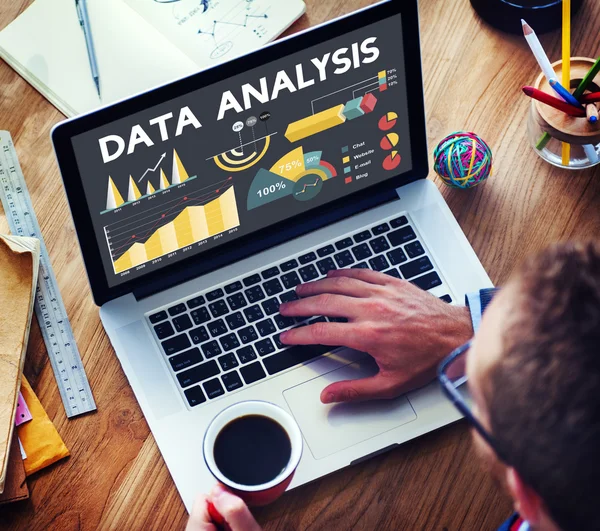
Before you draw conclusions about a campaign, determine which metrics are relevant to your specific goal. If your campaign is focused on brand awareness, then Reach, Impressions, and CPM will be your key metrics. If your main objective is sales or leads, then shift your focus to Conversion Rate, Cost Per Conversion, and ROAS. In many cases, marketers make the mistake, focusing only on CPC or CTR. Yet, remember that a high CTR may look good in reports but doesn’t guarantee sales. Creative can grab attention but may attract the wrong audience. That’s why you should analyze the entire user journey. That is, from the first ad impression to the final conversion.
In the context described above, it’s crucial to view data holistically, not just within Ads Manager. That’s why more and more teams are moving Looker Studio reporting to external BI systems. Notably, the ability to work with Facebook Ads data in Looker Studio lets you combine advertising metrics in a single interactive environment and analyze campaign trends more deeply. You can automatically connect Facebook Ads data to Looker Studio without complex technical integration. Using Coupler.io, teams can automatically connect Facebook Ads data to Looker Studio without complex technical integration. You’ll be able to export Reports and Insights, Campaign Lists, Ad Sets, and individual Ads, as well as automate data refreshes with a frequency ranging from every 15 minutes to once a month. All this is especially useful for teams who work with multiple advertising channels and want to see a unified picture of performance. The platform also supports data transformation before import. This includes filtering, sorting, creating custom columns, and combining data with Google Ads, LinkedIn Ads, or GA4. All of this helps you spot patterns faster. In particular, which campaigns consistently generate conversions and which audiences have a lower CPA. Also, which creatives lose effectiveness after a certain impression frequency. Instead of manually exporting spreadsheets, marketers get a centralized dashboard where they can more easily make decisions based on up-to-date data.
How to Analyze Audiences
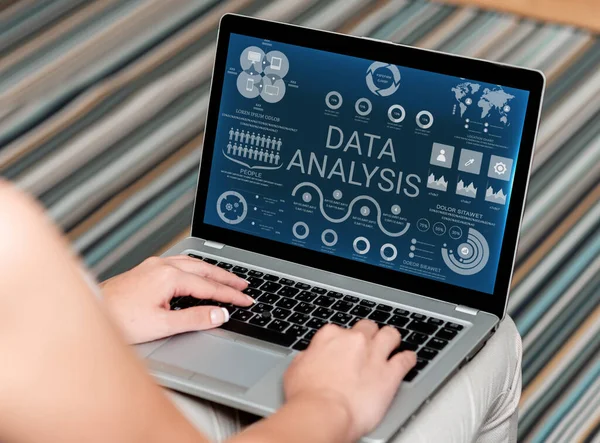
One of the most valuable features of Facebook Ads is audience segmentation. Analyze your campaigns not only as a whole, but also separately by age and gender, geography, and device type. Often, this is where opportunities for budget optimization are hidden. For instance, a campaign might show average results overall, but a specific audience segment could be driving the majority of conversions at a lower CPA. If you overlook this data, you will continue to spend your budget inefficiently.
Analyze new and returning users
For e-commerce projects, it is essential to separate new users from retargeting. New audiences typically have a higher cost per conversion. Nevertheless, they are the ones that scale the business. Retargeting often delivers lower-cost results but has limited reach. When these two campaign types are mixed in a single analysis, a marketer may misjudge the true effectiveness of the acquisition strategy.
Creatives and Ad Formats Evaluation
Frequency is one of the most underrated metrics. If people see the same ad too often, effectiveness drops. CTR decreases, CPC increases, and users start ignoring the ads. For many campaigns, a frequency above 3–5 can already signal creative fatigue. This means it’s time to test new messages or update visuals.
Compare ad formats
Video Ads, Carousel Ads, and static images can perform very differently based on the product and audience. Video often generates more engagement but doesn’t always lead to better conversions. That’s why you should evaluate not only initial interactions but also the final result.
Analyze:
- CTR for different formats;
- Watch time for videos;
- Conversion rate after a click;
- Cost per result for each creative.
The Importance of Analyzing Trends Rather Than Individual Numbers
One of the most common mistakes is evaluating a campaign over a short period. Facebook Ads operates in a dynamic environment. This means that audiences change, algorithms learn, and competition affects CPM on a near-daily basis.
That’s why your analysis should take trends into account:
- How CPA changes over the course of weeks;
- Is the cost of traffic increasing;
- Which campaigns consistently deliver results in the long term;
- When does the creative start to lose effectiveness.
Also, compare results across different attribution windows. Sometimes a campaign appears weak in a short attribution period but shows strong results a few days after interaction with the ad.
Final Thoughts
Effective analysis of Facebook Ads campaign data isn’t just about glancing at a few metrics in Ads Manager. It’s about systematic work with data that helps you understand the following core factors:
- Audience behavior;
- The actual effectiveness of creatives;
- How the ad budget impacts business results.
Marketers who regularly analyze not only clicks but also conversions, audience segments, attribution, and creative performance make far more accurate decisions. Tools like Coupler.io make this process easier by automating data preparation and helping teams analyze live marketing data in a centralized reporting environment. Thanks to this, we can gradually reduce costs, improve ROAS, and build stable advertising strategies instead of chaotic tests. So today, successful Facebook advertising is based on the ability to interpret data correctly and respond quickly to changes.