There are four main types of analytics: descriptive, which tells you what happened, diagnostic, which tells you why it happened, predictive, which tells you what’s likely to happen next, and prescriptive, which tells you what to actually do about it. Most businesses use some combination of all four, even if they don’t always call them by these specific names.
we’ll go through each type, what it actually looks like in practice, and how they build on each other.
Descriptive Analytics: What Happened
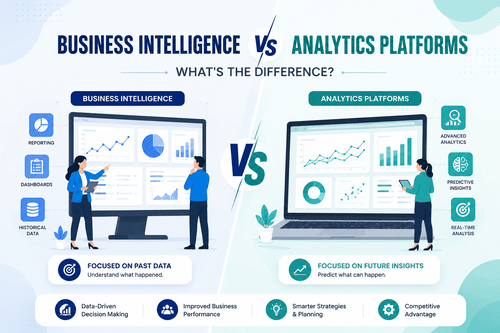
Descriptive analytics is the most basic and most common type, focused entirely on summarizing past data. This is your sales totals, website traffic numbers, monthly revenue reports, and customer counts. It answers a simple question: what happened?
This type of analytics doesn’t try to explain causes or predict anything. It’s a snapshot, and it’s genuinely useful precisely because it’s simple. Most dashboards you look at day to day, whether it’s a sales report or a traffic summary, fall squarely into this category.
Example: “We had 12,000 website visitors last month, and 340 of them made a purchase.”
Diagnostic Analytics: Why It Happened
Diagnostic analytics goes one step further than descriptive analytics, digging into the reasons behind a specific number or trend. If descriptive analytics tells you sales dropped 15% last month, diagnostic analytics is what helps you figure out why, whether that’s a pricing change, a marketing campaign that underperformed, or a seasonal dip.
This type usually involves comparing data across different segments or time periods to isolate what actually changed. It requires a bit more digging than descriptive analytics, but it’s what turns a raw number into something you can actually act on.
Example: “Sales dropped because our top-performing product went out of stock for two weeks.”
Our post on 7 common data analysis mistakes and how to avoid them covers some of the pitfalls people run into specifically at this diagnostic stage, where it’s easy to draw the wrong conclusion from the data.
Predictive Analytics: What’s Likely to Happen Next
Predictive analytics uses historical data and patterns to forecast future outcomes. Instead of just explaining the past, it’s trying to answer, based on what’s happened before, what’s likely to happen next. This might mean forecasting next quarter’s sales, predicting which customers are likely to cancel a subscription, or estimating demand for a product ahead of a busy season.
This type of analytics relies heavily on statistical modeling and, increasingly, machine learning, to spot patterns a person might miss looking at raw numbers alone.
Example: “Based on current trends, we expect a 20% increase in demand for this product next month.”
If you want to see specific tools built around this kind of forecasting, our roundup of the best predictive analytics tools and software covers a range of real options.
Prescriptive Analytics: What You Should Actually Do
Prescriptive analytics is the most advanced of the four, taking predictions a step further by recommending specific actions based on what’s likely to happen. Instead of just telling you demand is expected to rise, it might recommend exactly how much inventory to order, or which customer segment to target with a retention offer before they’re likely to churn.
This type often involves more sophisticated modeling, sometimes incorporating multiple possible scenarios and their trade-offs, rather than a single straightforward answer.
Example: “Increase inventory of this product by 25% and shift 10% of ad spend toward retargeting recent visitors.”
How the Four Types Work Together
These types aren’t really separate tools you pick between, they build on each other in a natural sequence. Descriptive analytics tells you what happened. Diagnostic analytics tells you why. Predictive analytics tells you what’s likely to happen next. And prescriptive analytics tells you what to do about it. A mature analytics setup usually moves through all four stages, even if a specific report or dashboard only shows one piece at a time.
Our post on the 5 most innovative use cases for analytics SaaS in 2026 shows some real examples of businesses using more advanced analytics types, particularly predictive and prescriptive, in practice.
Quick Comparison
| Type | Question It Answers | Complexity |
|---|---|---|
| Descriptive | What happened? | Basic |
| Diagnostic | Why did it happen? | Moderate |
| Predictive | What’s likely to happen next? | Advanced |
| Prescriptive | What should we do about it? | Most advanced |
Which Type of Analytics Does Your Business Actually Need?
Most businesses start with descriptive analytics, since it’s the simplest and most immediately useful. As a business matures and starts asking deeper questions, diagnostic and predictive analytics tend to become more valuable. Prescriptive analytics is usually the last stage businesses adopt, often once they’ve already built solid habits around the earlier three types.
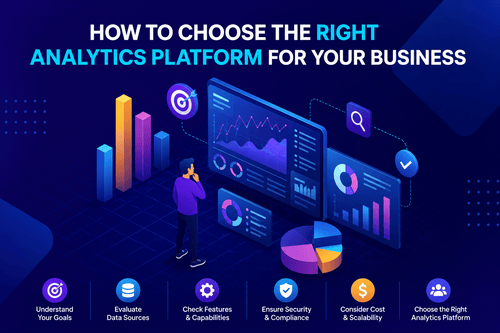
If you’re still deciding which kind of platform actually supports the type of analysis you need, our guide on how to choose the right analytics platform for your business covers how to match a tool to your actual analytics needs, rather than picking based on features alone.
FAQs About Types of Analytics
What’s the difference between descriptive and diagnostic analytics?
Descriptive analytics summarizes what happened, like total sales or website traffic, while diagnostic analytics digs into why it happened, comparing data to find the actual cause behind a trend.
Is predictive analytics accurate?
Predictive analytics provides forecasts based on patterns in historical data, and while it can be quite accurate, it’s not guaranteed, since unexpected events or changes can shift outcomes away from the prediction.
What is prescriptive analytics used for?
It’s used to recommend specific actions based on predicted outcomes, like how much inventory to order or which customers to target with a retention offer, rather than just presenting a forecast alone.
Do businesses need to use all four types of analytics?
Not necessarily all at once. Most businesses start with descriptive and diagnostic analytics and grow into predictive and prescriptive analytics as their needs and data maturity increase.
Which type of analytics is the most common?
Descriptive analytics is the most common and widely used, since it’s the simplest to implement and forms the foundation most dashboards and reports are built on.
Can one analytics platform handle all four types?
Some more advanced platforms do combine multiple types, though many businesses use a mix of tools, especially for more advanced predictive and prescriptive analysis.