Contents
Consumer preferences in the beauty industry shift constantly. An ingredient that dominates online conversations today may lose traction within weeks, replaced by the next formulation gaining attention across social platforms and search engines.
Even established treatments and ingredients, whether it’s bulk Korean botulinum toxin from Meamo or traditional skincare formulations, experience these cycles as consumer focus moves toward new solutions. For beauty brands, keeping pace with these shifts requires more than intuition. It requires data.
Companies across skincare, haircare, and wellness now rely on digital signals — search volume, social engagement, purchasing patterns, and ingredient-level discussions — to anticipate what consumers will want before demand peaks. This approach to forecasting has changed how products are developed, marketed, and launched.
Tracking Search Behavior to Identify Emerging Ingredients
One of the most direct ways beauty brands forecast demand is by monitoring what consumers search for online. Search data reveals which ingredients, concerns, and product categories are gaining or losing interest over time.
For example, a steady rise in searches for terms like “peptide serum” or “scalp care routine” signals growing consumer curiosity before those categories become mainstream. Brands that detect these patterns early can begin product development while competitors are still reacting.
Search tracking also helps brands distinguish between a temporary spike in interest and sustained growth. A keyword that trends for two weeks after a viral post behaves differently from one that climbs consistently over six months. Knowing the difference helps companies allocate resources to the right opportunities.
Monitoring Social Conversations to Gauge Sentiment
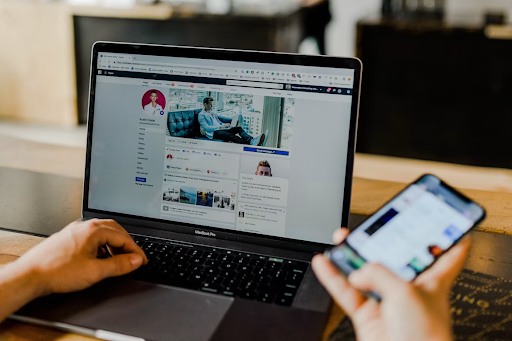
Social media platforms generate a continuous stream of unfiltered consumer opinions. Beauty brands use social listening tools to analyze these conversations at scale, tracking how people discuss products, ingredients, routines, and concerns.
This type of monitoring goes beyond counting likes or shares. It focuses on understanding:
- Which product benefits do consumers mention most often?
- How sentiment around a specific ingredient or brand shifts over time
- What complaints or unmet needs appear repeatedly in discussions
- Which content formats (tutorials, reviews, comparisons) drive the most engagement
By analyzing these patterns, brands gain a more accurate picture of what their audience values. This data feeds directly into product positioning, messaging, and campaign planning.
Analyzing Purchase Patterns to Predict Seasonal Demand
Consumer purchasing behavior follows patterns tied to seasons, holidays, and cultural events. Beauty brands that track transactional data alongside search and social trends can forecast demand with more precision.
For instance, moisturizer and lip care purchases tend to increase during colder months, while SPF and lightweight formulations see higher demand in spring and summer. Brands that align product launches and promotional campaigns with these cycles reduce the risk of overstocking or missing peak buying windows.
Purchase data also helps brands identify which products are losing momentum. A decline in repeat purchases for a specific SKU may indicate shifting consumer preferences, giving the brand time to adjust its lineup before revenue drops.
Using Predictive Analytics to Guide Product Development
Beyond tracking current behavior, many beauty companies now use predictive models to estimate future demand. These models combine historical sales data, search trends, social signals, and market conditions to project which categories or ingredients are likely to grow.
This approach reduces the financial risk of launching new products. Instead of developing formulations based on assumptions, brands can validate demand signals before committing to manufacturing and distribution. A company considering a new retinol product line, for example, can evaluate whether consumer interest in retinol is still climbing or has plateaued before investing.
Predictive analytics also helps brands prioritize which markets to enter. Regional differences in search behavior and purchasing habits allow companies to tailor launches to specific geographies rather than applying a single global strategy.
Combining Data Sources for a Complete Demand Picture
No single data source tells the full story. Search data shows intent, social data reveals sentiment, and purchase data confirms action. Brands that combine these inputs create a more reliable forecast than those relying on any one channel.
This integrated approach allows companies to move through the product lifecycle more efficiently — from identifying a trend to validating demand to launching a product to measuring post-launch performance.
The brands that consistently forecast demand well tend to share one trait: they treat data as a continuous input rather than a one-time report. Consumer behavior evolves, and forecasting accuracy improves when companies regularly update their models with fresh data.
For beauty brands operating in a market where trends move fast and consumer expectations keep rising, data-driven demand forecasting is no longer optional. It is the foundation of how modern products reach the right audience at the right time.